Gum Disease 77573: Unmask the Hidden Dangers
Gum Disease 77573 requires immediate attention to prevent further dental complications and maintain oral health. We will explore the causes, symptoms, and treatment options for gum disease, providing invaluable insights for residents of the 77573 area.
Gum disease, also known as periodontal disease, is a common oral health condition that affects the gums and surrounding tissues. It is primarily caused by poor oral hygiene, leading to the buildup of plaque and tartar on the teeth. Over time, this can result in inflammation, bleeding gums, bad breath, and eventually, tooth loss if left untreated.
Fortunately, there are various treatment options available for gum disease, ranging from non-surgical methods such as scaling and root planing to more advanced surgical procedures like gum grafting or pocket reduction surgery. By taking proactive measures and seeking professional dental care, individuals in the 77573 area can effectively manage and improve their gum health
Understanding Gum Disease

Gum disease, also known as periodontal disease, is a common oral health issue that affects many individuals. It is important to understand the basics of gum disease in order to prevent and treat it effectively.
Gum disease is characterized by the inflammation of the gums, which can eventually lead to the deterioration of the surrounding tissue and bone. Poor oral hygiene is one of the main causes of gum disease. When plaque and bacteria build up on the teeth and gum line, it can result in infection and irritation.
Recognizing the signs and symptoms of gum disease is crucial in the early detection and treatment. Common symptoms include swollen and tender gums, bleeding while brushing or flossing, bad breath, and loose teeth. If left untreated, gum disease can progress and lead to more serious complications, such as tooth loss.
To prevent gum disease, it is important to maintain a good oral hygiene routine. This includes brushing your teeth twice a day, flossing daily, and visiting your dentist regularly for check-ups and cleanings. Additionally, avoiding tobacco use and consuming a healthy diet can also contribute to gum disease prevention.
Prevention And Treatment
Maintaining good oral hygiene is crucial for preventing and treating gum disease. Regular dental check-ups play a vital role in early detection and prevention. During these check-ups, your dentist can spot any signs of gum disease and offer appropriate treatment options. Professional teeth cleaning performed by a dental hygienist helps remove plaque and tartar buildup that can contribute to gum disease. If gum disease is detected, your dentist may recommend a scaling and root planing procedure to deep clean your gums and remove bacteria. Antibiotics, both oral and topical, may also be prescribed to control infection. In severe cases, surgery may be necessary to treat advanced gum disease and restore oral health. The key to preventing gum disease is consistent oral hygiene practices, such as brushing twice a day, flossing daily, and using an antimicrobial mouthwash. By maintaining good oral hygiene and seeking regular dental care, you can reduce the risk of gum disease and enjoy a healthy smile.
The Impact Of Gum Disease On Overall Health
Gum disease, also known as periodontal disease, has been linked to several systemic conditions, highlighting the crucial need for proper oral health care. Research has shown a strong association between gum disease and other organs, including the heart, lungs, and kidneys. The harmful bacteria from the gums can spread through the bloodstream, contributing to the development or exacerbation of various health conditions. This makes it essential to prevent and treat gum disease for optimal overall health.
Gum disease has been connected with systemic conditions such as cardiovascular disease, respiratory infections, and diabetes. Studies have indicated that the inflammation caused by gum disease can impact blood vessels and increase the risk of heart disease. It can also worsen respiratory conditions as the bacteria can be inhaled into the lungs. Additionally, gum disease can make it harder to control blood sugar levels, making diabetes management more challenging.
Gum disease can have adverse effects on various organs in the body. The bacteria from the infected gums can travel through the bloodstream, affecting organs such as the heart, kidneys, and liver. This can lead to complications and potentially contribute to the development of cardiovascular conditions, kidney problems, and liver disease. It is crucial to address gum disease promptly to minimize its impact on overall health.
Preventing gum disease is essential for maintaining optimal health. Regular dental check-ups, proper oral hygiene practices, such as brushing and flossing, and a balanced diet can help prevent the development of gum disease. Avoiding tobacco products and managing stress levels also contribute to overall oral health. By prioritizing oral hygiene, individuals can minimize the risk of gum disease and its potential impact on systemic health.
Frequently Asked Questions
What Are The Symptoms Of Gum Disease?
Gum disease can cause symptoms such as swollen gums, bleeding when brushing, bad breath, and loose teeth. It’s important to seek treatment if you notice these signs to prevent further damage to your gums and teeth
A dentist can diagnose gum disease by examining your gums, measuring the depth of the pockets around your teeth, and taking X-rays. They may also ask about your symptoms and oral hygiene habits to get a complete picture of your oral health.
What Are The Stages Of Gum Disease?
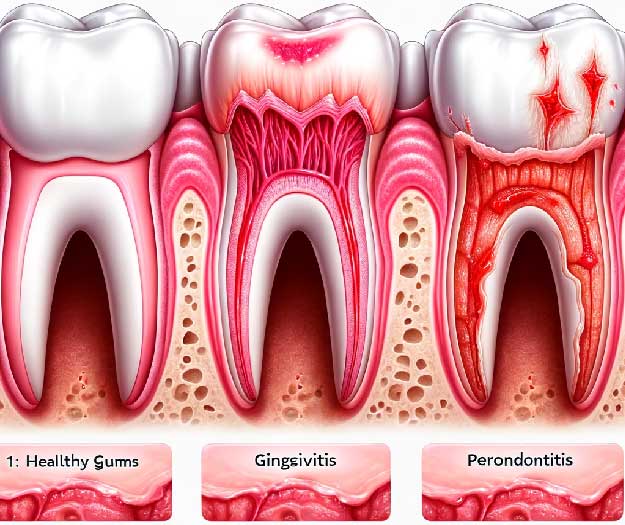
Gum disease typically progresses through three stages: gingivitis, periodontitis, and advanced periodontitis. Gingivitis is the early stage characterized by inflamed gums, while periodontitis involves bone and tooth loss. Advanced periodontitis is the most severe stage, with significant damage to gums, teeth, and surrounding structures.
In the early stage of gum disease, called gingivitis, it can be reversed with proper oral hygiene and regular dental care. However, once it progresses to periodontitis, the damage done cannot be fully reversed. It’s crucial to seek treatment as soon as possible to prevent further progression and maintain oral health.
Gum disease is a common oral health condition that should not be overlooked. Without proper care and treatment, it can lead to serious complications, such as tooth loss and overall health issues. By taking proactive steps, such as maintaining proper oral hygiene and visiting your dentist regularly, you can prevent gum disease and protect your smile.
Don’t hesitate to seek professional help if you notice any symptoms or concerns. Your oral health is essential for your overall well-being.